.webp)
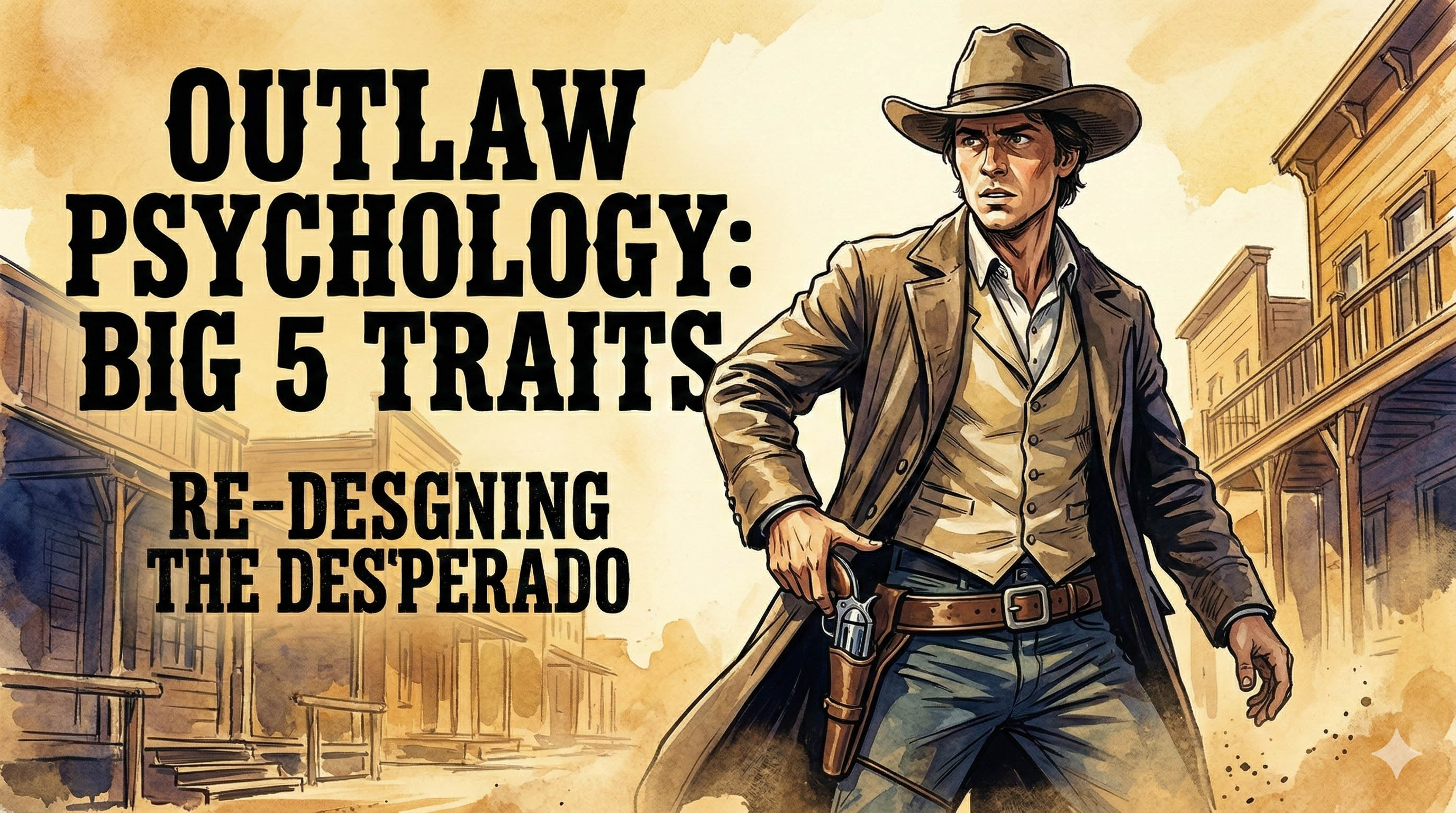
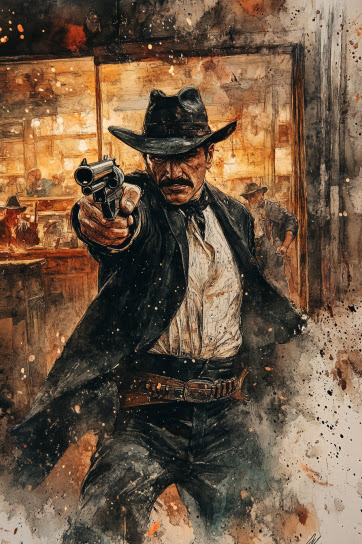
When we look to the past to build our game worlds, we often focus on the mechanics of conflict—the weight of a broadsword, the grain of a longbow, or the cyclic rate of a 19th-century revolver. But in my thirty years of filmmaking and game design, I’ve found that the most compelling narratives aren't rooted in the physics of the tools, but in the psychology of the people who wield them.
The historical outlaw is not merely a stat block with a high Dexterity score; they are a complex architectural study in human behavior. To build an impactful rogue, we must move beyond tropes and deconstruct their psychological foundation.
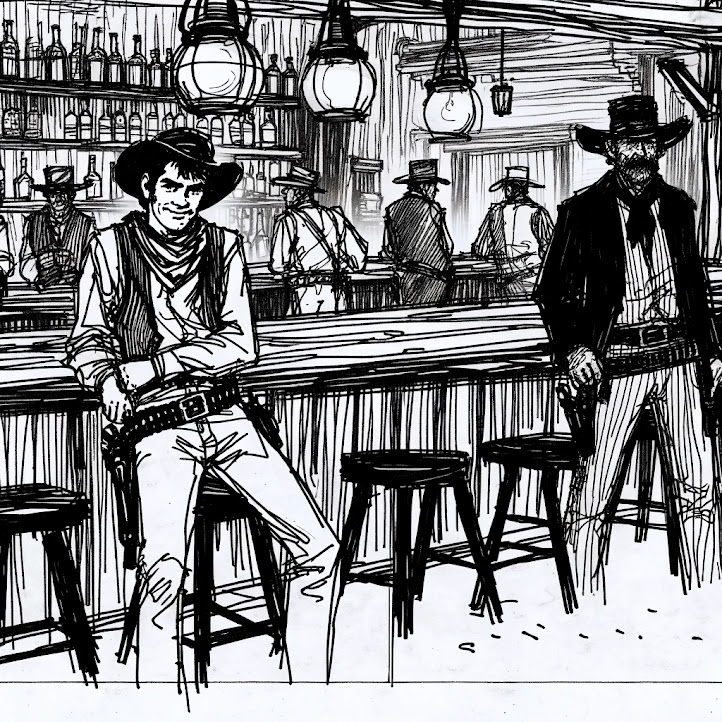
To move past the "lone wolf" cliché, we can apply the Big Five personality traits—a staple of modern psychology—to historical figures. Take Henry McCarty, better known as Billy the Kid. History suggests a man far removed from the silent, brooding villain.
Contrary to the "man of few words" myth, Billy the Kid was reportedly charming, gregarious, and a natural leader. He was comfortable in a crowd and quick to win over strangers.
This is the trait that defines the "Outlaw." Billy had a profound disrespect for established authority and a volatile temper when crossed. His cooperation was never a given; it was conditional.
Stepping outside the law requires a mind willing to discard conventional wisdom. To survive on the fringes of the frontier, one must be an innovator under pressure.
The goal of this psychological approach is to transform a list of numbers into a living, breathing persona. For a Gamemaster, these traits are "hook generators."
If your outlaw has high Extraversion, throw them into a situation where their charm is useless—perhaps a silent, high-stakes standoff where only steel speaks. If they have low Agreeableness, force them into an alliance with a lawman they despise. This is where true drama is born.
If you found this deconstruction of the outlaw's psyche insightful, you might also enjoy my previous breakdown of the Original James Bond Archetype. There, I explored how a commitment to duty and high risk-tolerance create a blueprint for heroic success—and personal cost.
The Outlaw is the mirror image of Bond: a "frontiersman of the shadows" operating under a personal code rather than a state one. Whether you are designing a TTRPG character or writing a historical screenplay, remember: the "why" creates the drama. The most memorable outlaws weren't just the ones who shot the straightest; they were the ones with the most compelling reasons for turning their back on the world.