.webp)
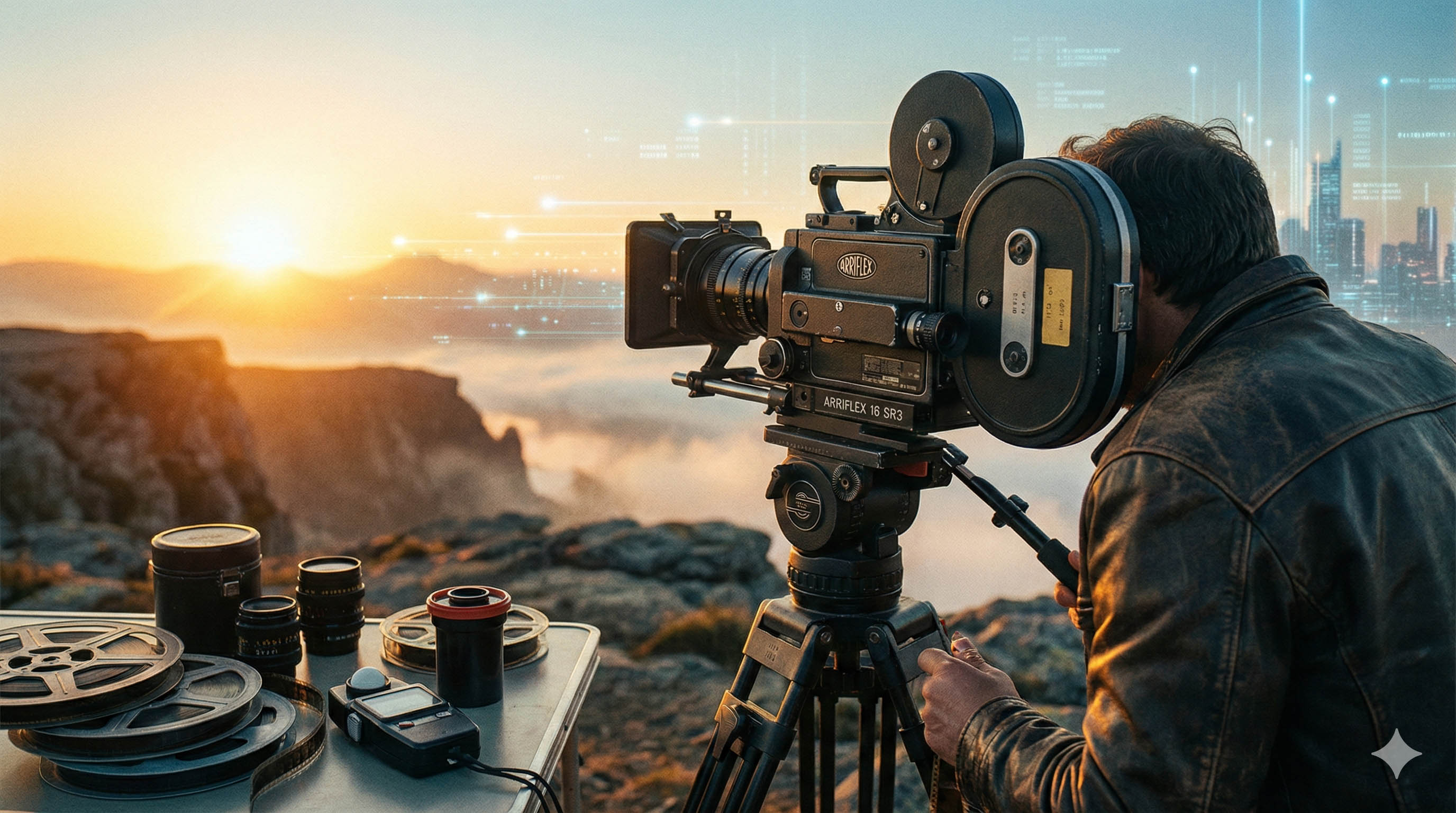
Since 1999, I have been a filmmaker. I made my first feature film that year, and from that point on, I simply couldn't stop. Over the next two decades, I directed and produced four features and six shorts, alongside nearly 1,000 videos shot across the US and Europe. I’ve worked as a consultant, VFX Producer, and Production Manager for massive studios like Netflix, NBC/Universal, and Amazon.
It has been eight years since I released my last feature film. I think I am finally ready to do it again.
I took a pause for a few reasons. Making a film of any kind is a monumental task, even when you are fully funded. I wanted to tell as many stories as possible, so after my last film, I channeled my storytelling into writing. That world-building eventually evolved into the TTRPG system, PsychScape Historical.
This pivot also helped me navigate the massive industry upheavals and shutdowns of the past few years. Movie making isn't dead; it’s just different. Again. Before the world paused, I was deep into pre-production on an animated supernatural thriller called The Nokken, utilizing Unreal Engine and motion capture technology. But life demanded a different path.
We are currently living in the dawn of a new "Golden Age" of digital and AI tools—technology I am a massive fan of and use daily to enhance my creative workflow. Yet, as this digital landscape expands, I find myself yearning to get back behind the camera. After all, filmmakers make films.
Stepping away gave me clarity on my craft, my limitations, my strengths, and my purpose. But I don't want to make this easy on myself. I see a profound opportunity to showcase raw human talent by contrasting the cutting-edge digital world with the discipline of analog tools. Up until now, I have only made films using digital formats.
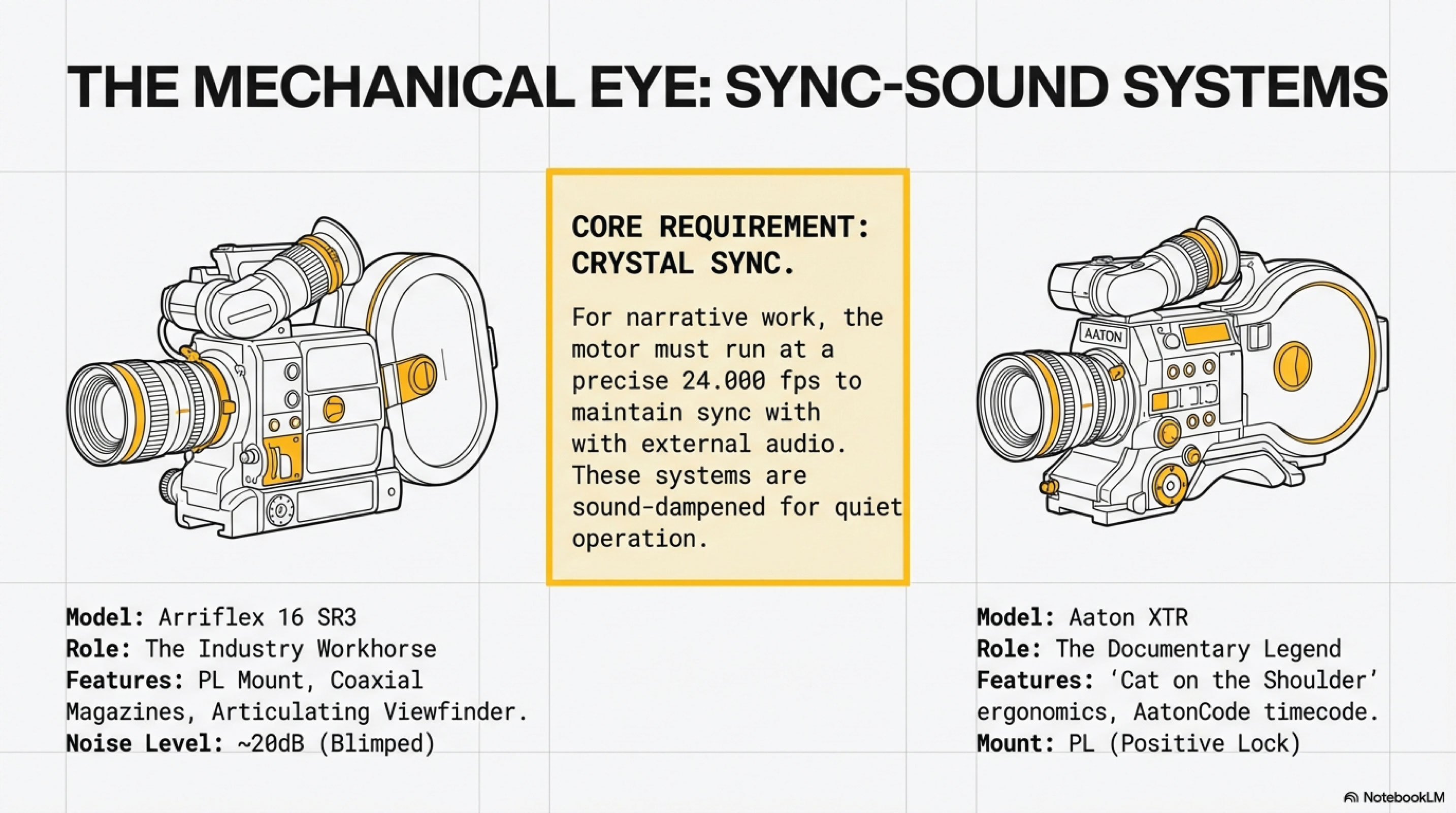
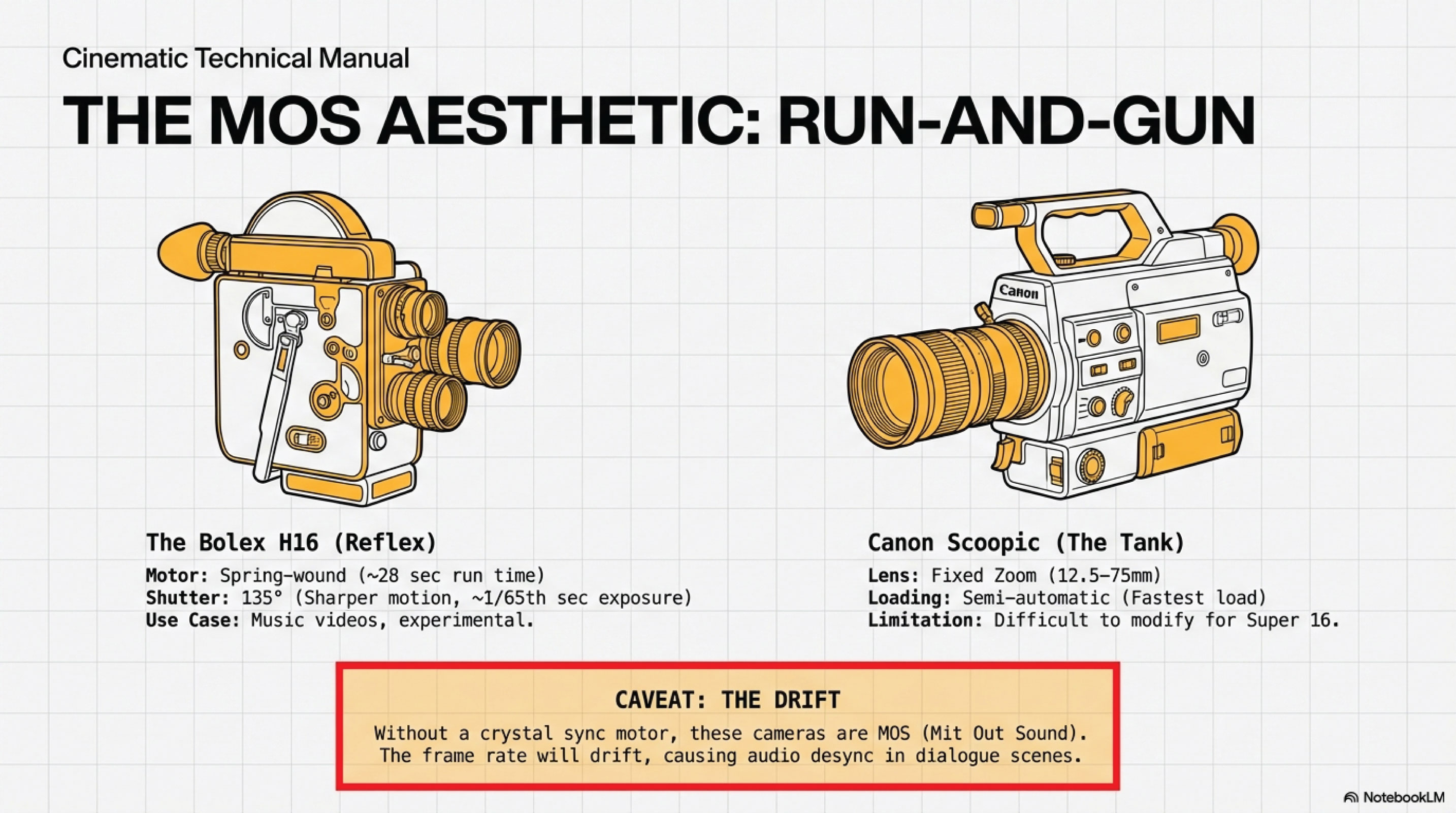
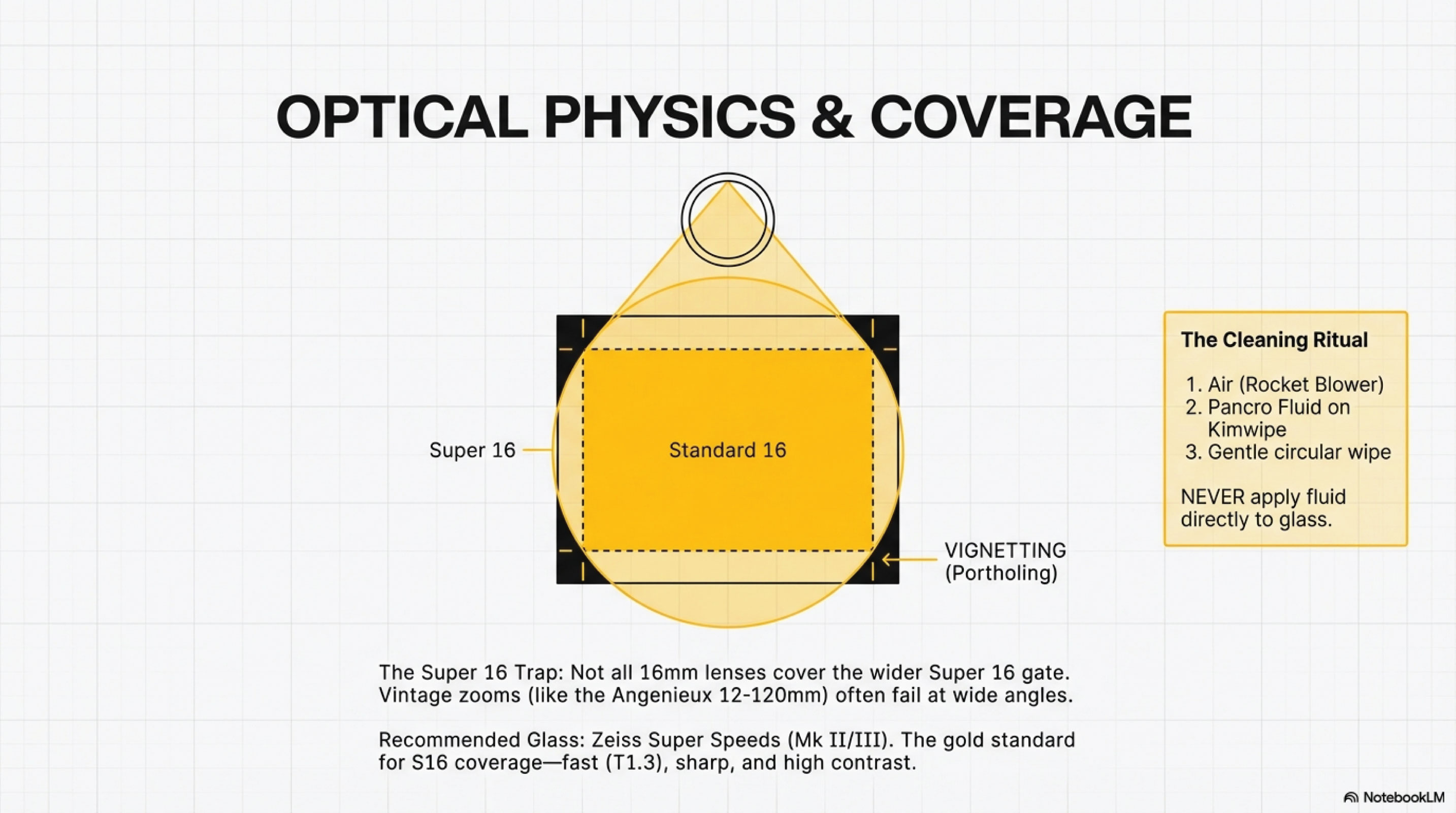
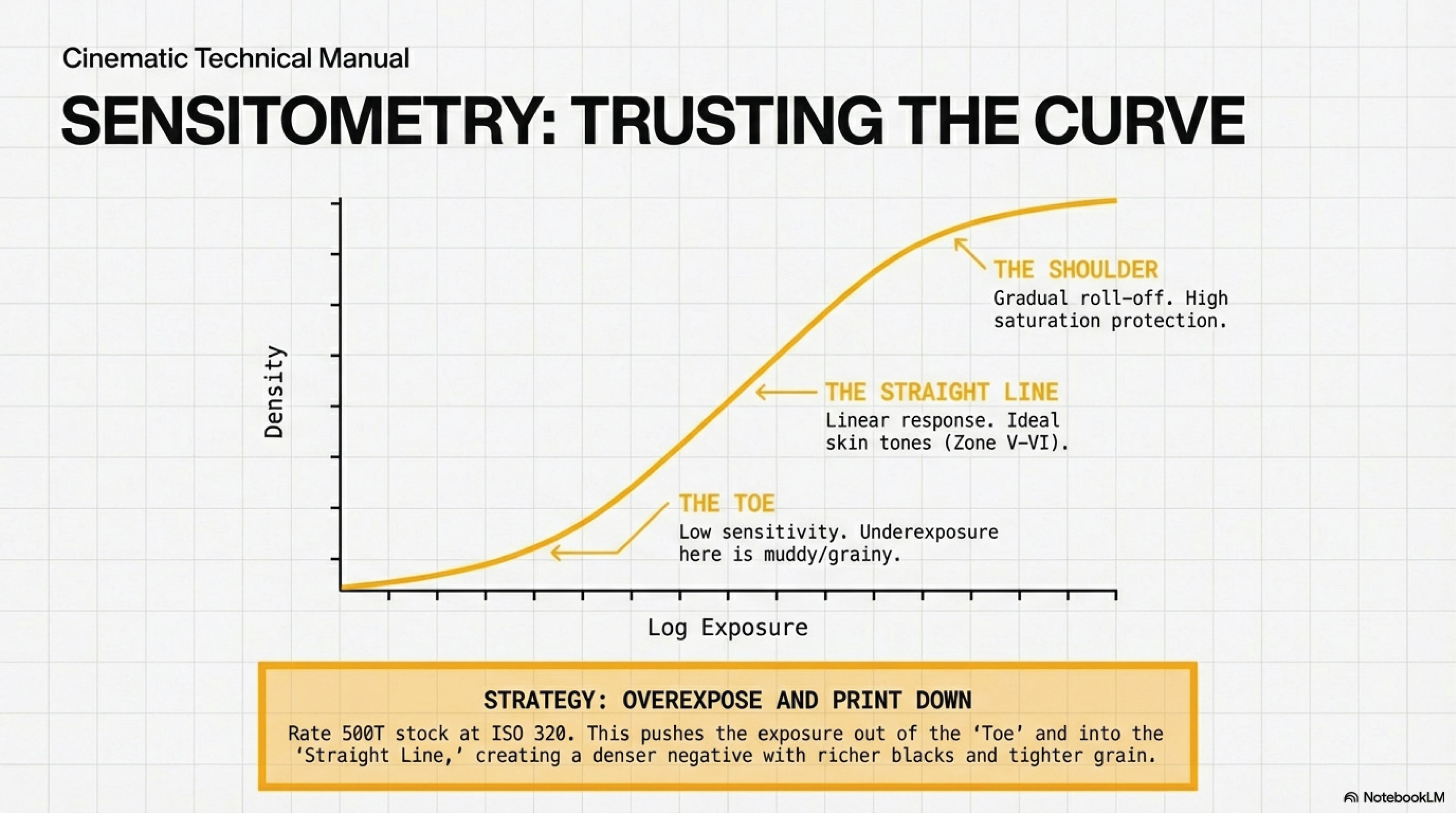
To challenge myself, I am stepping back to learn the craft from a strictly analog perspective. I am going to make a short film exclusively on 16mm.
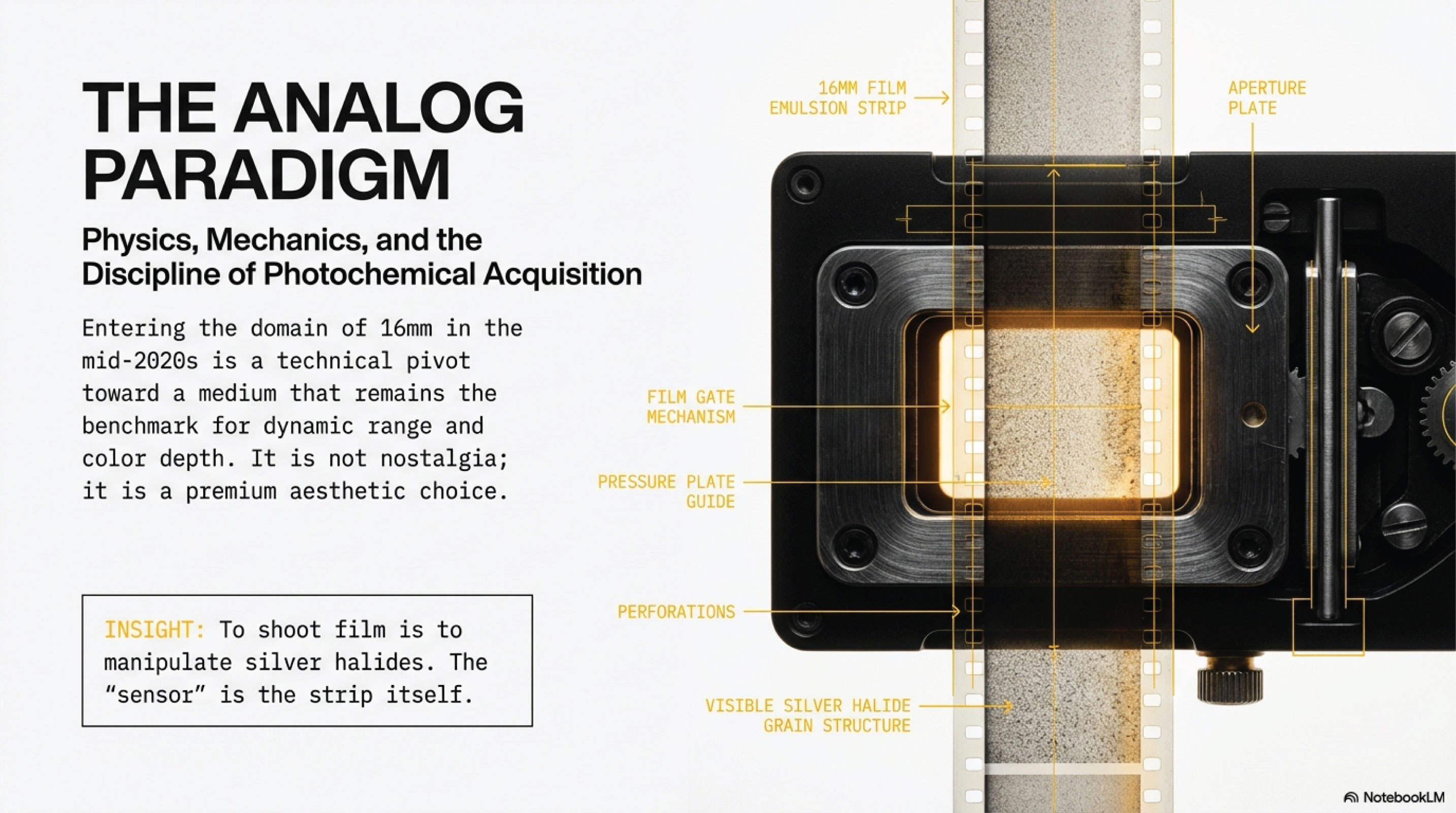
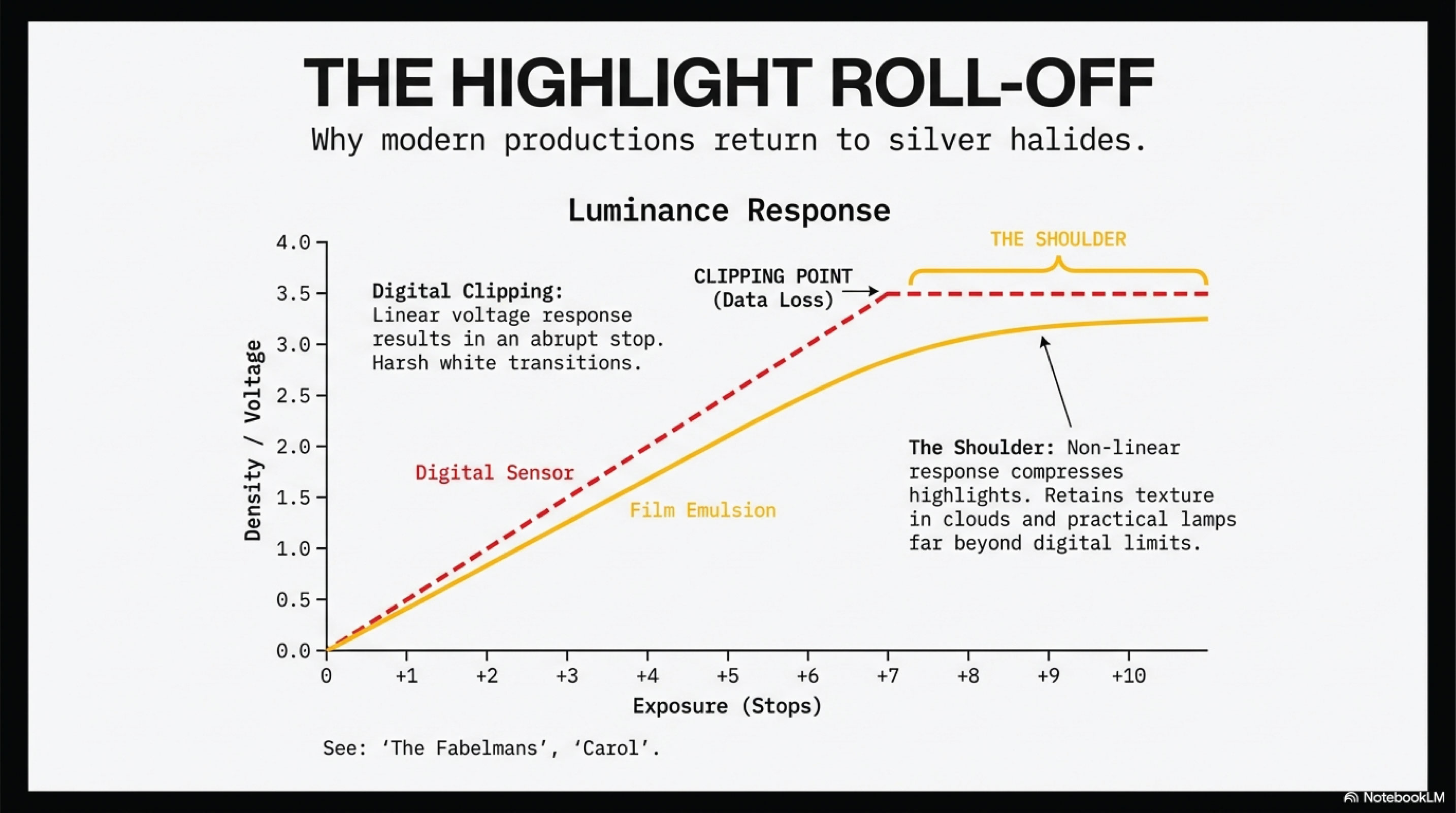
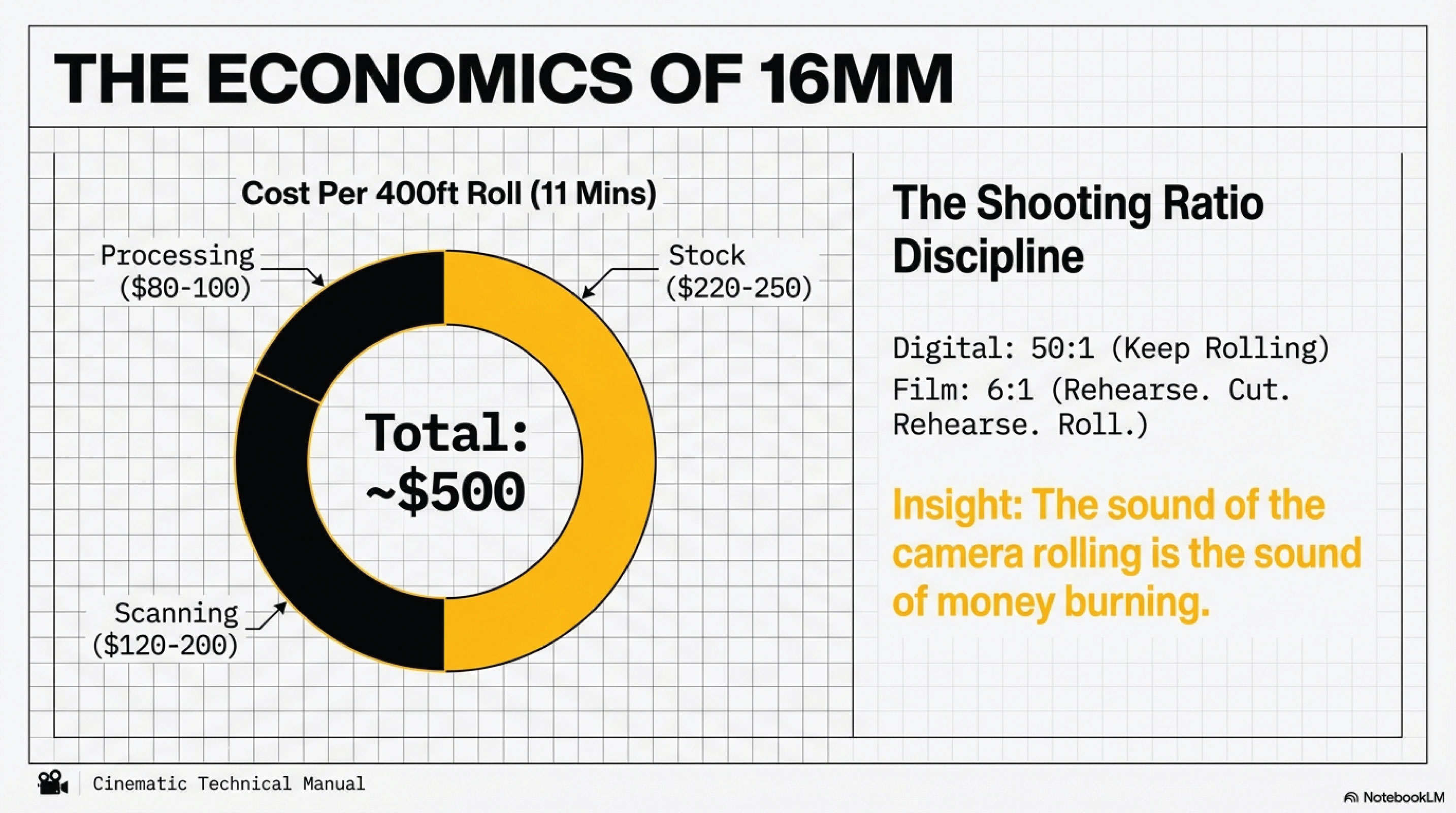
Entering the domain of 16mm isn't about nostalgia; it is a premium aesthetic choice. I am trading a digital sensor for the film strip itself, manipulating visible silver halides to capture the image.
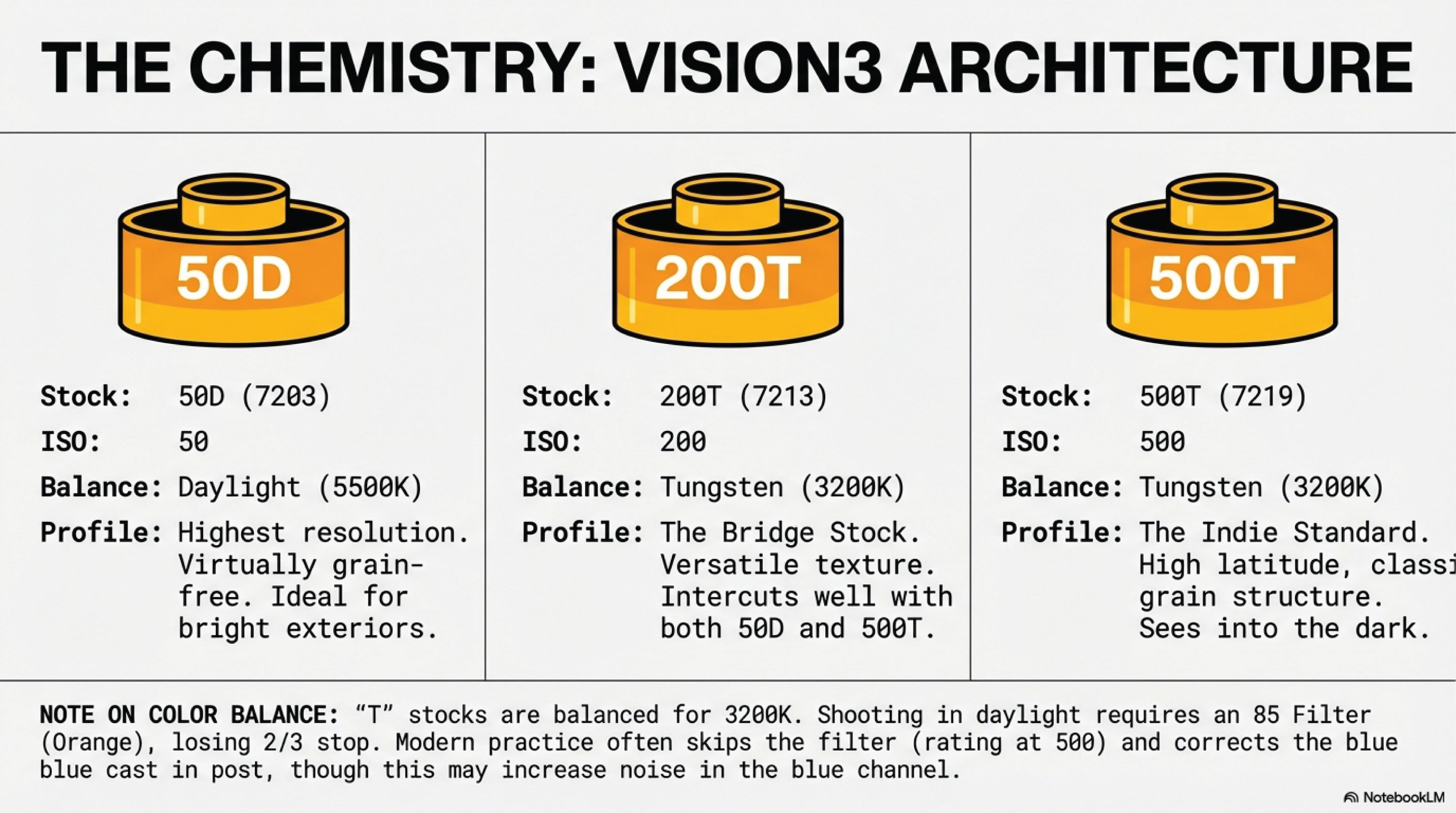
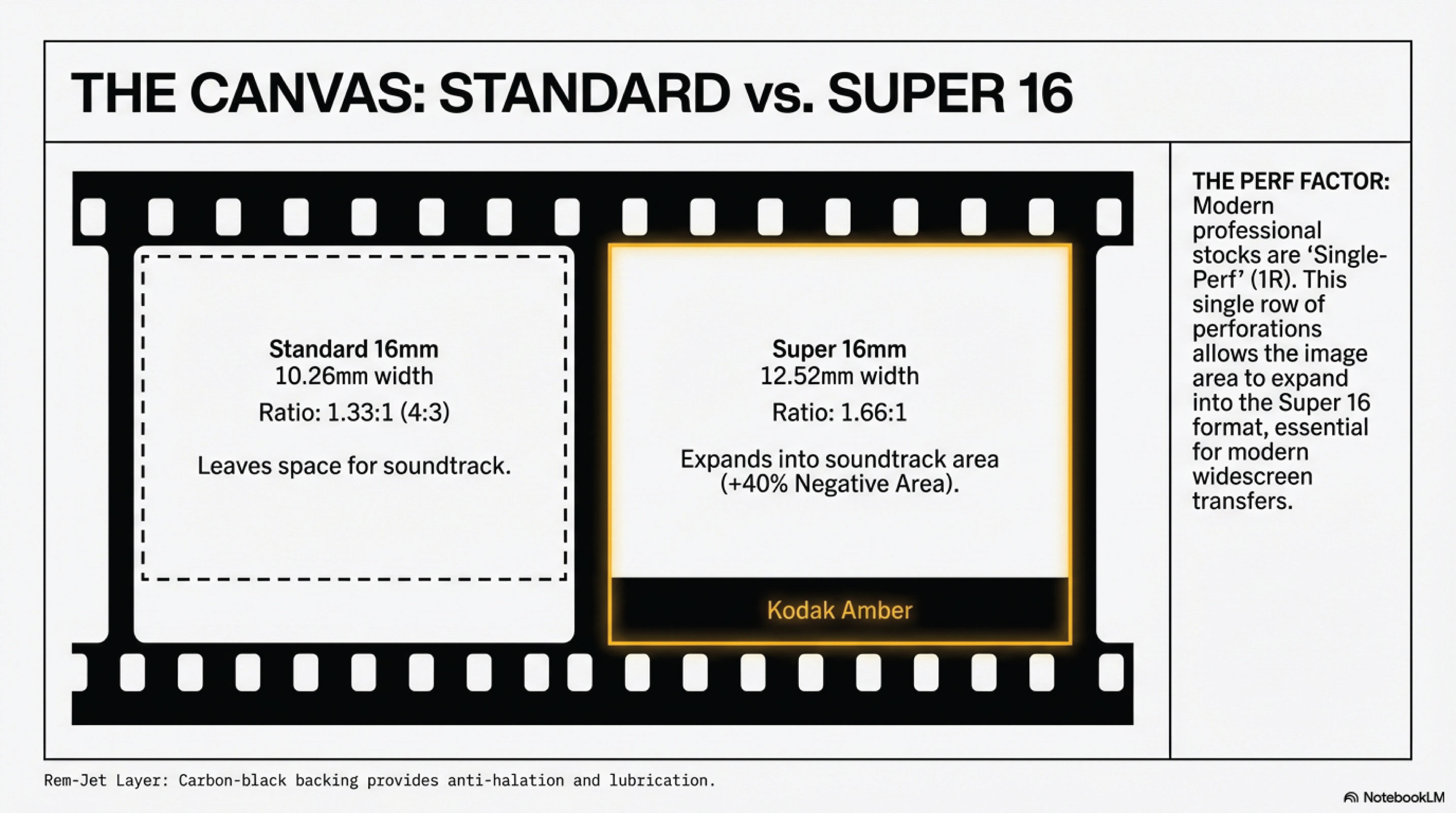
There are technical and aesthetic mountains to climb:
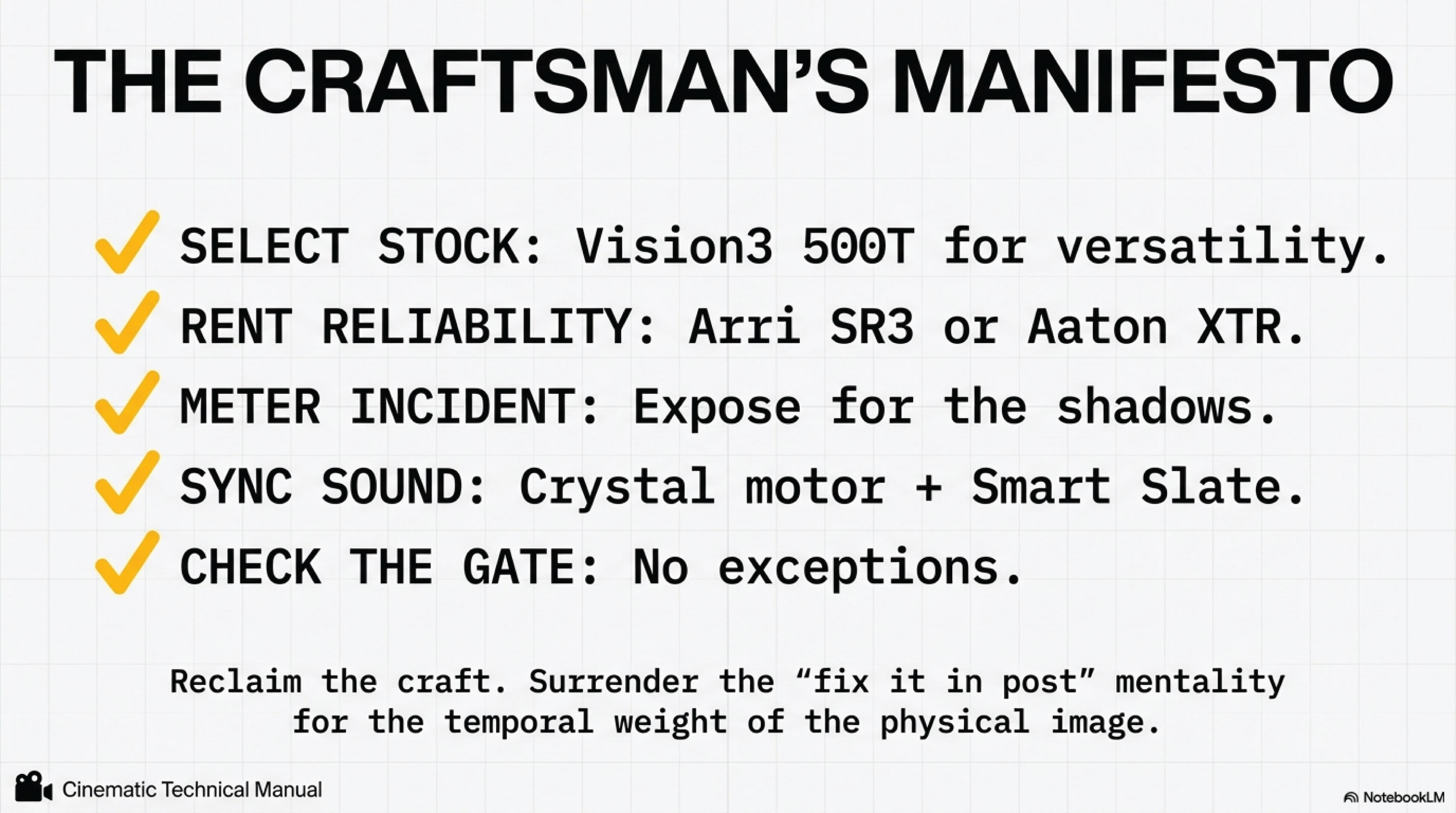
This project is about reclaiming the craft. It means surrendering the modern "fix it in post" mentality for the temporal weight of the physical image.
I will be sharing what I learn, my failures, and my challenges right here. My hope is that others will embrace the discipline of the past and marvel at something bigger than ourselves.
— R.